
The Gazette · Toulon, Var & beyond

Gastronomy

The latest Gazette articles, features and discoveries about gastronomy.

Active filter: Gastronomy

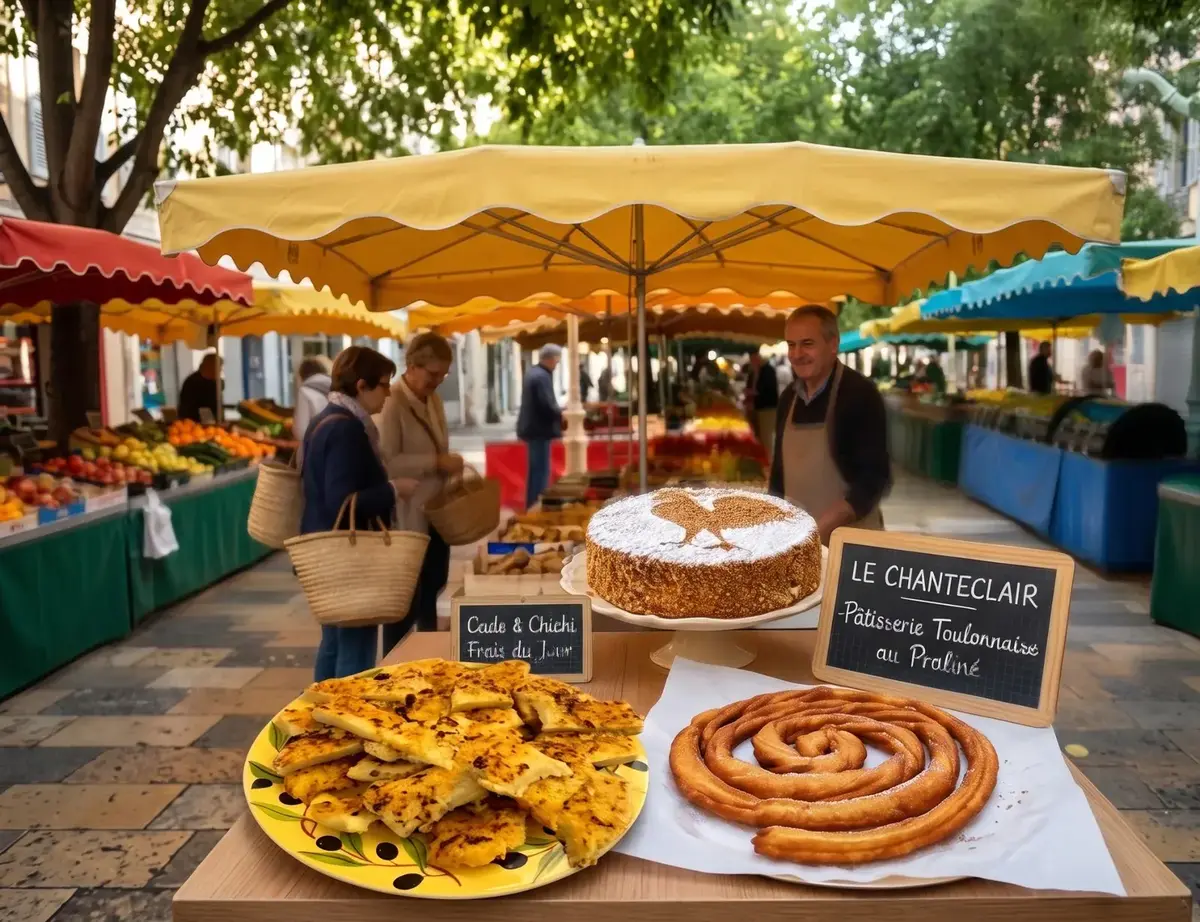
Thicker and softer than Nice socca, Toulon cade is still served hot from the oven on the city’s markets. AI illustration
Gastronomy AI-assisted text By Jean-François Callen9 views

Cade, the taste of Toulon! dont talk to me about socca

Born from an old connection with Genoese farinata, adopted by Toulon’s shipyard workers and once sold through the streets of Besagne, the chickpea flatbread remains one of the city’s popular symbols. And no, cade is not exactly the same thing as socca.

Four ingredients — chickpea flour, water, olive oil and salt — were enough to create one of Toulon’s most familiar tastes. Brought to the harbour through Genoese workers in the early nineteenth century, cade first fed labourers before becoming a market and family tradition. Unlike Toulon’s historic chichi frégi, it has not disappeared: in 2026, it is still being baked over a wood fire on Cours Lafayette. One question nevertheless keeps returning: what exactly makes it different from Nice’s socca?

Learn more
For more than a century, chichi frégi was associated with Cours Lafayette and the Guglielmi family before disappearing from everyday life in Toulon. AI illustration
Gastronomy AI-translated text By Jean-François Callen853 views

Chichi frégi: the taste Toulon allowed to slip away

For more than a century, the Guglielmi family’s hot sugared fritter was part of everyday life around Cours Lafayette. The kiosk disappeared, the family left, and later attempts at revival failed to last.

There was the Cours Lafayette market, cade, the harbour, the local accent — and chichi frégi. For four generations, the Guglielmi family was associated with the large fried pastry that generations of people in Toulon ate hot, often leaving with sugar-covered fingers. The kiosk vanished in 2010, the historic G.Toine shop closed in 2022 and a later revival also disappeared. In 2026, Toulon still remembers one of its former culinary symbols, but can no longer easily tell a visitor where to find it.

Learn more